
Department of Orthopaedics
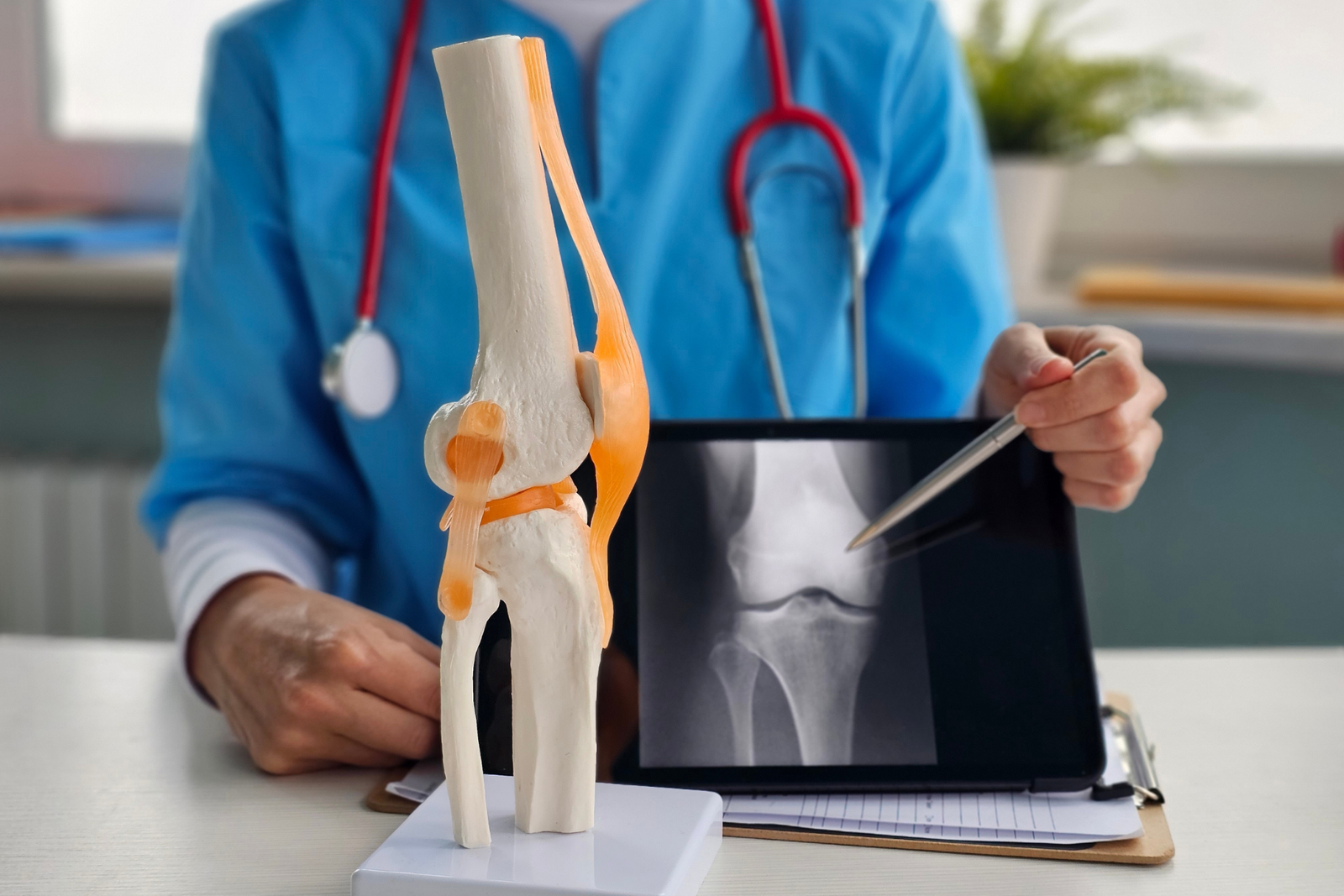
At Mediderm Clinic, Bangalore, our Department of Orthopaedics provides comprehensive care for bone, joint, and musculoskeletal conditions. From acute injuries and fractures to chronic joint pain, arthritis, and sports injuries, we focus on accurate diagnosis and personalized treatment plans. Our goal is to restore mobility, reduce pain, and improve quality of life through evidence-based care and advanced treatment approaches. Whether it’s back pain, knee problems, or shoulder issues, we are committed to helping you move better and live pain-free.
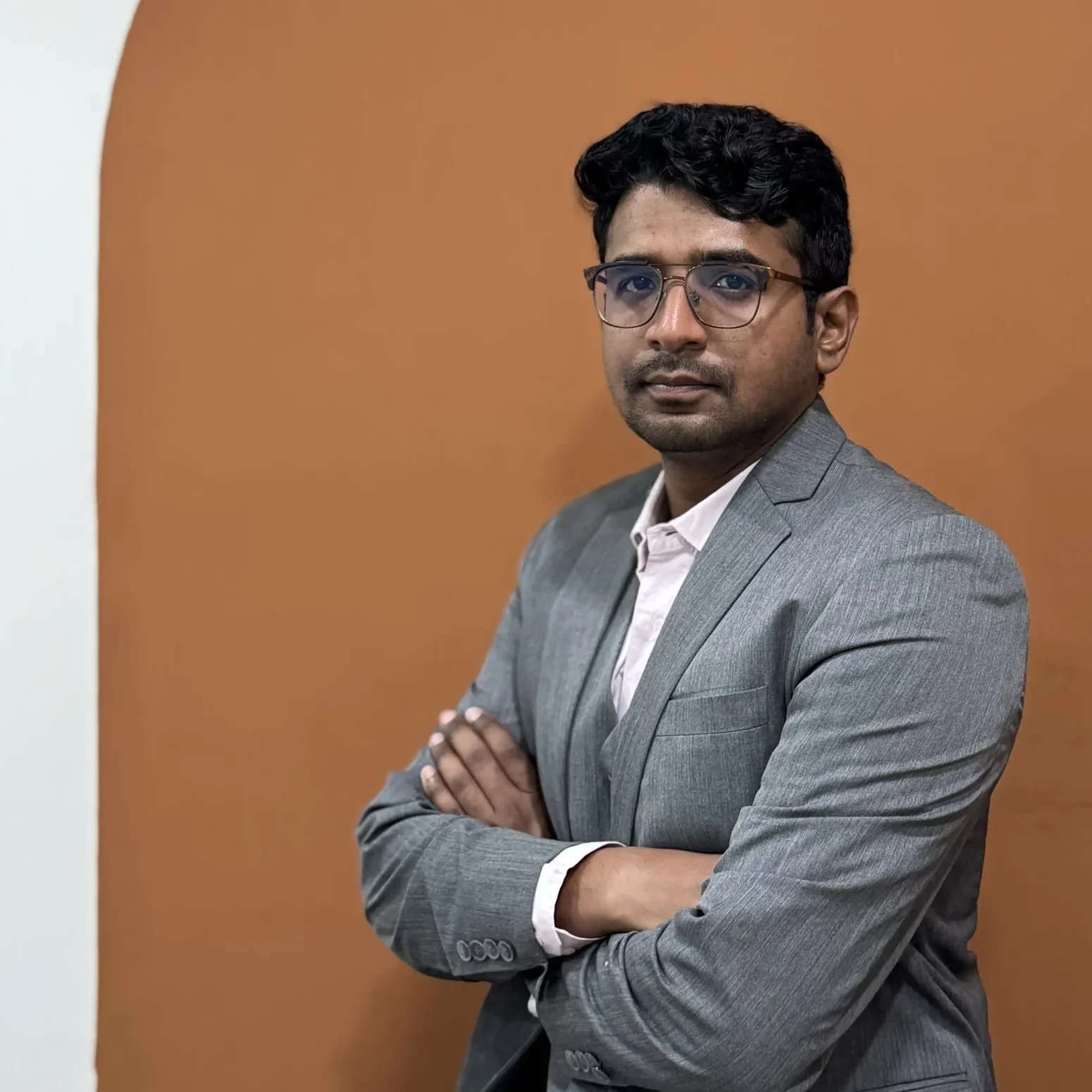
Dr. L R Kishore Kumar
MS, DNB, MNAMS, FIAS(RGUHS), FIFA DIP in Football Medicine
Consultant, Orthopaedics
Leading Orthopaedic Surgeon at Mediderm Health and Skincare, Bangalore specializing in Arthroscopy and Sports Medicine, with advanced fellowship training. Dr. L. R. Kishore Kumar is a highly skilled and dedicated orthopaedic surgeon with extensive experience in managing complex musculoskeletal conditions.
Why Choose Mediderm?
Experienced Orthopedic Specialist
Advanced Joint & Bone Care
Non-Surgical & Surgical Guidance
Comprehensive Rehabilitation Support
Convenient Bangalore Location
Need To Speak with a Doctor?
Conditions We Treat
- Knee Pain & Osteoarthritis
- Back & Neck Pain
- Shoulder Pain & Frozen Shoulder
- Sports Injuries
- Fractures & Trauma Care
- Carpal Tunnel Syndrome
- Ligament & Tendon Injuries
- Hip Pain & Arthritis
- Sciatica & Slip Disc
- Joint Stiffness & Mobility Issues
- Bone Health Concerns
- Post-Surgical Rehabilitation
Frequently Asked Questions
You should consult an orthopaedic doctor if you have persistent joint pain, back or neck pain, swelling, stiffness, difficulty walking, sports injuries, or fractures. Early evaluation helps prevent long-term complications.
Knee pain can result from arthritis, ligament injuries, meniscus tears, overuse, obesity, or age-related wear and tear. A proper examination and imaging, if required, help determine the exact cause.
Yes, most cases of back pain can be managed with medication, physiotherapy, lifestyle changes, and guided exercises. Surgery is considered only when conservative treatments fail or in severe conditions.
Osteoporosis often has no early symptoms but may present as frequent fractures, loss of height, or back pain. Bone density testing helps in early detection and prevention.
Treatment depends on the type and severity of injury and may include rest, medication, physiotherapy, bracing, or in some cases, surgical intervention. Early treatment ensures faster recovery and prevents recurrence.
Joint replacement may be recommended when severe arthritis or joint damage causes persistent pain, stiffness, and reduced mobility that does not improve with medications or physiotherapy.